Tuesday, July 15, 2025

Where can you teach Co-op classes?

 Right now, my husband, Rob, and I teach Co-op classes in our basement.  This fall, two friends, both moms, are teaching science and history classes in our basement, too.  Before we landed in the basement, the Co-op held classes at the local library twice a week for upper school students.  The Co-op also held classes on Fridays at an Episcopal church’s Religious Ed (RE) classrooms for younger kiddos.  (Our church doesn’t have extra space.  There is a pre-K-8 school which doubles as RE classes.) 

I have taught Co-op classes in my house before.  I had Chemistry and Physical Science, with labs in the garage.  I’ve taught Co-op at our former church’s RE classrooms before we moved near Quantico.  When I taught in a public school, the home-school kids were allowed to come after school for classes, which is very unusual.  In another life, I did some consulting and training.  I learned that you can make just about any space work: school, church, hotel, college, or office space.  I’ve done dissections outside the library and at a local park.

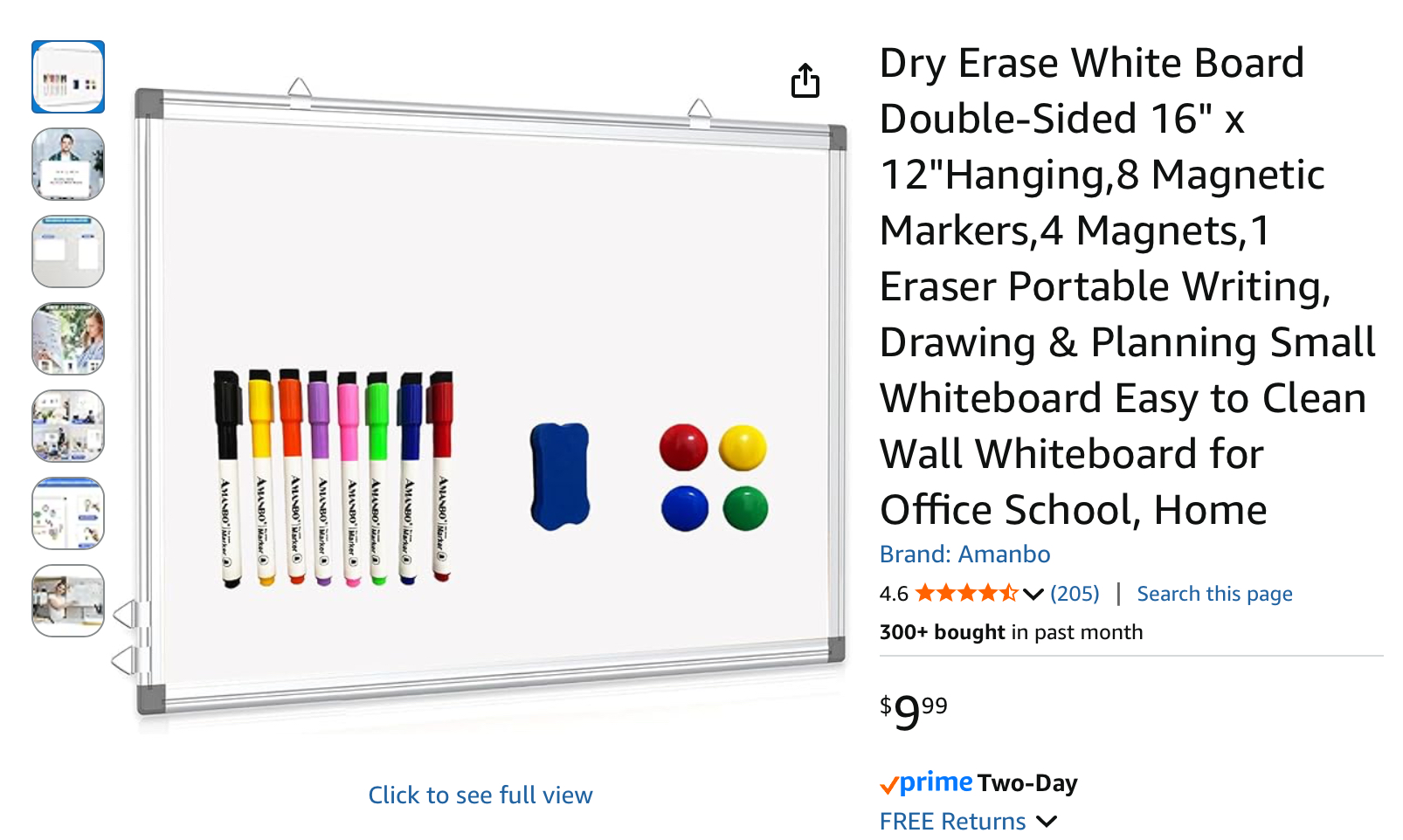
What do you need?  You need a table and chairs.  If you do labs, bring jugs of water and plastic table cloths to protect any surfaces.  Be judicious as you select labs or demos.  While a whiteboard or chalk board is nice, you can bring a small white board for notes, diagrams, or problem sets.

Since I teach mainly science classes, I have a bunch of equipment, posters, microscopes, etc.  Ideally, there is some space at the facility to store a few items.  But, I have had to make do and sort materials into crates and bins, which I kept in the garage and hauled back and forth.   The amount of space will determine the number of kids you can accommodate and is the biggest constraint.  As long as there are four walls, tables, and chairs, you can make things work.  

Sunday, July 13, 2025

Host a Camp: Fun!

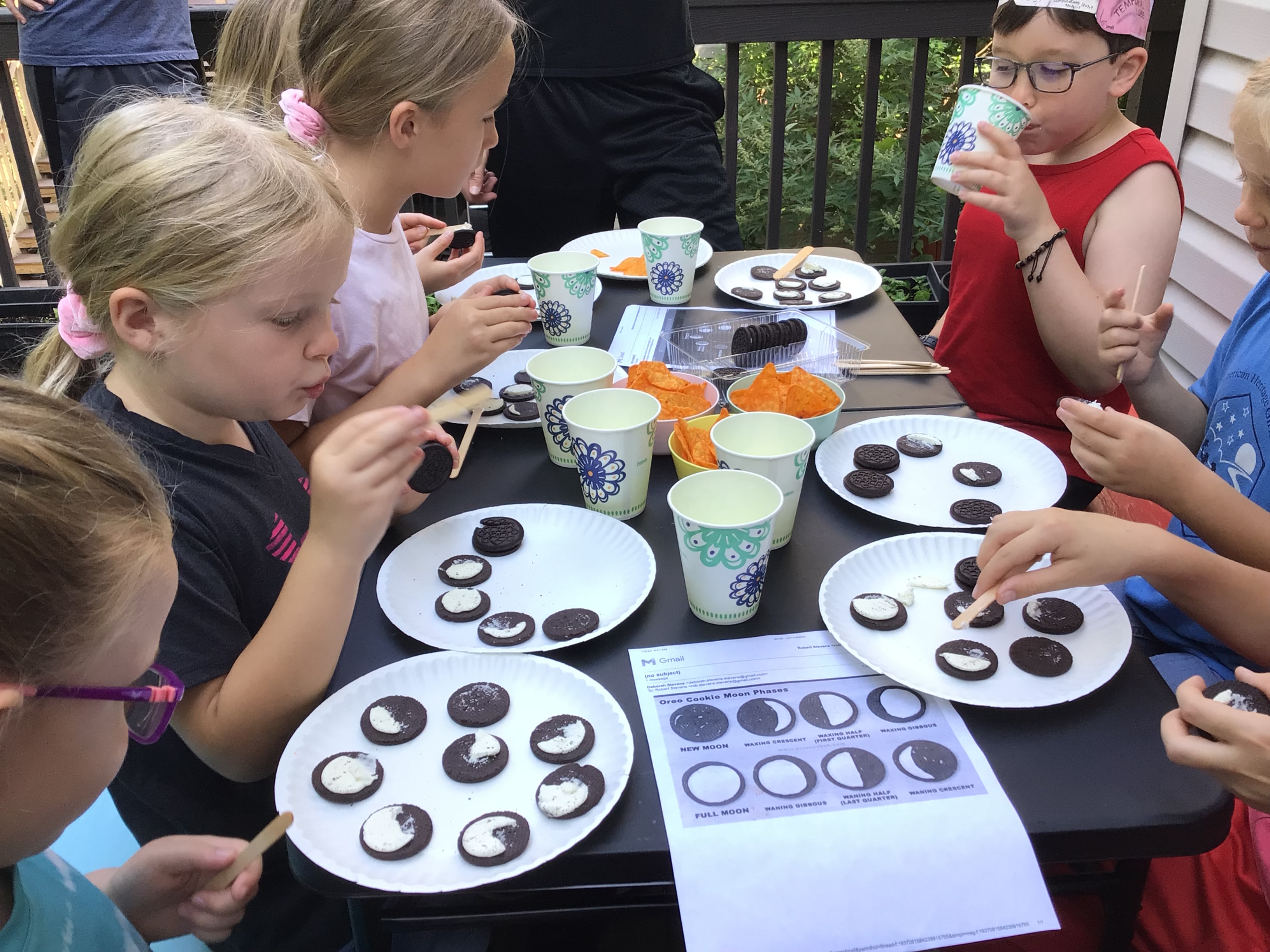
 Whenever I host a camp I add some fun.  Sing  Camp Classic Chants and Songs: Greasy, Grimy, Gopher Guts, Herman the Worm, Chick-a-boom, Pizza Hut, and Tom the Toad.  Sing clapping songs.  Let the kids come up with team cheers and team names.  (One memorable group dubbed themselves Bubble Monkeys.  I can’t make this up.). Look for temporary tattoos, stickers, mini-skeletons, even syringes pens.  I usually buy bags for their stuff.  They’re kids; they love a little swag.  I try to do themed snacks, such as Oreo Moon Phases.  Go outside and chalk dead bodies or test paper airplanes.  We once accidentally released a solar balloon the kids were certain would be shot down by the local Air Guard.  Look for a few activities which are a little silly and just for fun. I bought leather blanks or wrist bands for the kids to stamp.  What a hit!


Thursday, July 10, 2025

Host a Camp: First Steps

 What are the first steps in planning to host a camp?  

1. Location: Where are you going to host camp?  In your basement?  At a school?  In your church hall?  The location will determine the number of kiddos you can accommodate.  We just did a science camp in our basement with nine kiddos ages six-ten.  We had extra teens and adults.  Our basement space is about 1000 square feet.  Twelve kiddos would be about the maximum.  (Our Co-op classes might have 14-15 teens. But camp and younger kiddos are more active.)

2. Theme: Pick a theme.  It is so much easier to create a camp when you have a theme.  Is it more educational?  Creative?  Bookish?  Here are some Science Camp themes: Maker space, Chemistry, Anatomy Academy, Weather, Earth, Forensics, Coding, Forestry or Nature, Water, etc.  

3. Enlist help around your theme.  For example, if you are doing Forensics or Anatomy, contact the police, local nurse, and Rescue Squad for volunteers.  Could they bring an ambulance and do a demo?  Could the nurse teach kids how to take pulse and blood pressure?  Try to schedule different volunteers for different days.

4. Select activities which go along with your theme.  Anatomy could include mini first aid kits, paper skeletons, brain hats, spine, skin, and eyeball models.  Print out Human Body bingo, too.  Have a themed bingo available.  It is a good tool to calm down at the end of the morning.

5. Plan a themed snack.  We made edible aquifers and moon phase snacks.  Have a few little trinkets: tiny skeletons, nature stickers or tattoos, syringe pens, and magnifying glasses are all big hits for kiddos.


Host a Camp: Background Information

First, I bet you are asking what I know about hosting a camp.  Before teaching with the local Co-op, I taught in both private and public schools.  Private schools often encourage teachers to host summer camps.  At the public school where I taught, I took high school students to the local kindergarten and ran science stations one morning in the spring for around 100 students.  The private school, summer camps helped me refine my program.  The families were very wealthy and the children entitled.  I made decent money; however the parents were often demanding.  My home-school friends asked me to host a science camp at our church.  Our pastor agreed.  For several years, our church held VBS and followed up with a week of Science Camp.

You’ll need money and help.  Our church in WV did not charge a fee for either VBS or Science Camp.  We begged, posted lists of materials, saved recycled materials, and held fundraisers.  Our most successful fundraiser was a media and toy sale. We scheduled the sales before the church yard sale to have a place to unload leftovers.  Families from church donated all of the goods which we sold after church services for two or three Sundays.  People gave us cash, too.  I also begged for help.  Our church had a dozen teens who volunteered both weeks.  It was harder to recruit adult volunteers for Science Camp.   So, I relied heavily on teens and looked for volunteers at outside agencies.  For example, I brought in free water quality experts and a forester.  I asked doctors and nurses to give lessons for Anatomy Academy.  The Rescue Squad brought an ambulance.  The police sent an officer to talk about forensics.  

Does Camp take a Herculean effort?  Yes, it does. I’ll post more about how to organize a camp.  No, it won’t be a professional series with links to a TPT site.  Instead I’ll give you some hints I have found to work.  

Disney Home-schoolers

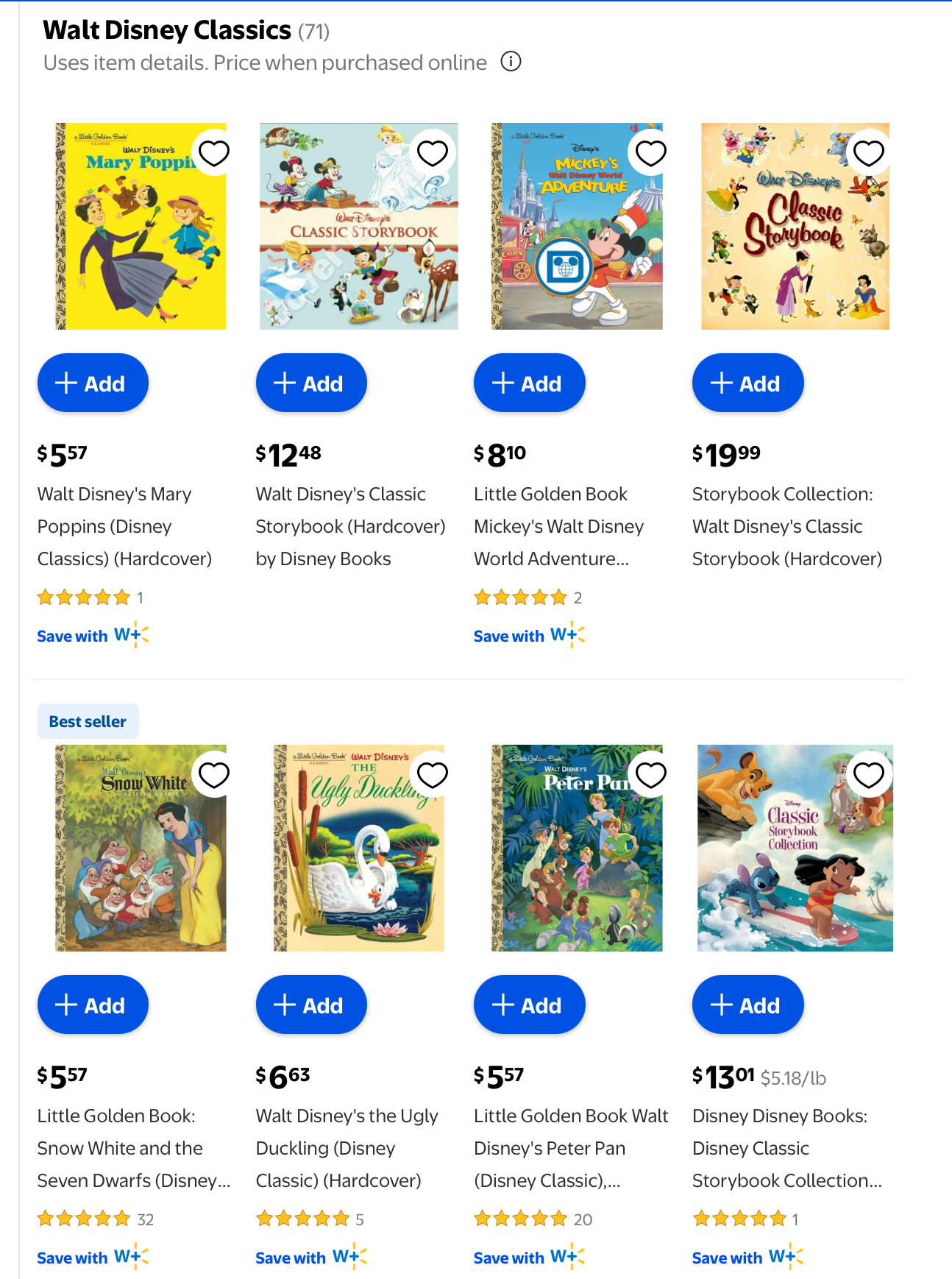
 Wow.  What a concept. (Full disclosure: Our family has visited Disney World, but we aren’t Disney fans.)  WSJ has an article, Meet the Moms Who Home School at Disney World.  What a concept.  I had no idea Florida families living near Disney bought annual passes and home-schooled at Disney World.  But, if your amity is planning a trip to Disney World, there are all kinds of home school lessons.  Look at Lessons from a Magical Disney Vacation for project based learning inspiration.  Military families can start with Disney World for Military Travelers to see how to create a plan and budget with Shades of Green Resort.  While I’m not wild about Disney, I am enthusiastic about books.  What about doing a book study based on a few classics?  Use the Golden Classics for inspiration.  Here is a Peter Pan unit study.  I’m sure Disney fans will have loads of ideas for lessons.


Wednesday, July 9, 2025

Host a camp!

 First, this post has pix from the home-school science camp.  I’ll post more details after I recover.


Saturday, July 5, 2025

Make a Prime Day list!

 There are so many summer sales.  Make a Prime Day list.  Be sure to do a deep dive when you compare prices with Walmart, Dollar Tree, Five Below, and Temu.  I teach Co-op, lead Faith and Science camps, and help with religious education.  I use loads of card stock, craft sticks, coffee stir sticks, polymer clay, etc for loads of projects from clay, anatomy models to catapults.  Look at consumables like glue, glue sticks, and markers.  Let’s see if we can save a few dollars this year!